
Mineral RO Plant in Pakistan for Clean Drinking Water
Mineral RO Plant in Pakistan for Clean Drinking Water Clean drinking water is no longer a luxury in Pakistan—it is a necessity. With rising water contamination, increasing TDS levels, and industrial pollution, households and businesses are actively searching for reliable water purification solutions. This is where a Mineral RO Plant in Pakistan for clean drinking water plays a vital role. At theroplant, we specialize in delivering advanced Mineral RO Plants designed specifically for Pakistan’s water conditions, ensuring safe, healthy, and mineral-balanced drinking water for homes, industries, and commercial use. Why Clean Drinking Water Is a Serious Issue in Pakistan Pakistan faces severe water quality challenges. Groundwater in many regions contains: High Total Dissolved Solids (TDS) Harmful bacteria and viruses Heavy metals like arsenic and lead Excessive salts and chemicals Drinking such water can lead to long-term health issues including kidney problems, stomach diseases, and weakened immunity. A Mineral RO Plant in Pakistan is one of the most effective solutions to combat these problems. What Is a Mineral RO Plant? A Mineral RO Plant is an advanced water purification system that uses Reverse Osmosis technology combined with mineral enhancement filters. While RO removes harmful impurities, bacteria, and dissolved salts, the mineral stage re-adds essential minerals like calcium and magnesium—making the water both safe and healthy. Unlike basic RO systems, Mineral RO Plants provide balanced drinking water, ideal for daily consumption. Mineral RO Plant in Pakistan for Clean Drinking Water – How It Works A standard Mineral RO Plant by theroplant follows a multi-stage purification process: Pre-Filtration – Removes dust, sand, and large particles Carbon Filtration – Eliminates chlorine, odor, and chemicals RO Membrane – Removes TDS, heavy metals, bacteria, and viruses Mineral Cartridge – Restores essential minerals Post Filtration – Enhances taste and clarity This ensures water that meets international drinking water standards. Benefits of Using a Mineral RO Plant in Pakistan 1. Safe and Healthy Drinking Water The biggest benefit of using a Mineral RO Plant in Pakistan is access to clean, bacteria-free, and mineral-rich drinking water suitable for all age groups. 2. Ideal for High TDS Water Most areas in Pakistan suffer from high TDS levels. Mineral RO Plants effectively reduce TDS while maintaining mineral balance. 3. Improved Taste and Odor Mineral-enhanced water tastes fresh and natural, encouraging better hydration. 4. Protects Health Long-Term Regular consumption of purified water reduces risks of waterborne diseases, kidney stones, and digestive problems. 5. Cost-Effective Solution Compared to bottled water, a Mineral RO Plant is a long-term and economical investment. 6. Suitable for Multiple Applications Mineral RO Plants are perfect for: Homes Offices Schools Hospitals Restaurants Factories 7. Environment Friendly Using an RO system reduces plastic bottle waste, helping protect the environment. Why Choose theroplant for Mineral RO Plants in Pakistan? theroplant is a trusted name in water treatment solutions across Pakistan. We offer: High-quality Mineral RO Plants American-based RO technology Custom-designed systems Competitive pricing Professional installation Reliable after-sales support Our systems are designed to handle Pakistan’s toughest water conditions efficiently. Applications of Mineral RO Plants by theroplant Residential Drinking Water Systems Commercial RO Plants Industrial Mineral RO Plants Food & Beverage Processing Pharmaceutical Use Educational Institutions Each system is tailored according to water quality and usage requirements. FAQs – Mineral RO Plant in Pakistan 1. Is a Mineral RO Plant necessary in Pakistan? Yes. Due to high contamination and unsafe groundwater, a Mineral RO Plant is highly recommended for clean drinking water in Pakistan. 2. Does RO water remove essential minerals? Basic RO systems do, but Mineral RO Plants by theroplant re-add essential minerals, ensuring healthy water. 3. What TDS level is safe for drinking? Ideally, drinking water should have TDS between 50–300 ppm, which Mineral RO Plants help achieve. 4. How long does an RO membrane last? An RO membrane usually lasts 2–3 years, depending on water quality and maintenance. 5. Can Mineral RO Plants be used for commercial purposes? Absolutely. theroplant offers commercial and industrial Mineral RO Plants customized to your needs. 6. Is maintenance expensive? No. With regular servicing, maintenance is affordable and ensures long system life. 7. Does theroplant provide installation services? Yes. theroplant provides professional installation and nationwide support in Pakistan. Final Thoughts Investing in a Mineral RO Plant in Pakistan for clean drinking water is a smart decision for health, safety, and sustainability. With rising water pollution, relying on untreated water is a serious risk. Choose theroplant for reliable, efficient, and advanced Mineral RO Plants that deliver pure, mineral-balanced water—because your health deserves the best.
Read MoreJanuary 18, 2026
How a Water Softener Plant Transforms Hard Water
Introduction Water Softener Plant Hard water is a common issue in many homes and industries, causing scale deposits, poor soap performance, and reduced efficiency of appliances. A water softener plant plays an important role in modern water systems by treating hard water before it reaches taps, boilers, or industrial processes. By focusing on hard water treatment, these systems significantly improve water quality and help protect plumbing and equipment over the long term. What Is Hard Water and Why Is It a Problem Hard water is water that contains high levels of dissolved minerals, mainly calcium and magnesium, often picked up as water flows through limestone or similar rock formations. These minerals do not usually pose serious health risks but they cause practical problems in homes and industries. Hard water leads to scale buildup inside pipes and heaters, reduces soap lather, leaves residue on fixtures and dishes, and can contribute to dry skin and hair. Common hardness minerals in water include calcium carbonate, magnesium carbonate, and sometimes iron, which all contribute to scale formation. In households, this scaling can clog showerheads, coat heating elements in water heaters, and make detergents less effective. In industrial settings, scale inside boilers, cooling towers, and process lines reduces heat transfer efficiency, increases energy use, and can cause costly downtime or equipment damage. What Is a Water Softener Plant A water softener plant is a dedicated hard water treatment system designed to remove hardness-causing minerals from the incoming water supply. It is usually installed at the point where water enters a building or facility so that all downstream fixtures and processes receive softened water. The primary goal of this type of plant is to improve water quality by replacing hardness minerals with non-scaling ions, typically sodium or potassium. The key components of a typical water softener plant include a mineral tank filled with ion exchange resin, a brine tank that holds salt, and a control valve that manages flow and regeneration cycles. Water passes through the resin tank where hardness ions are exchanged, and periodically the unit regenerates using brine from the salt tank. In some systems, additional pre-filters or control systems are used to optimize performance for specific industrial or commercial applications. How a Water Softener Plant Transforms Hard Water The heart of a water softener plant is the ion exchange process, which transforms hard water into soft water step by step. First, hard water enters the mineral tank and flows through millions of tiny resin beads that carry a negative charge and are saturated with sodium or potassium ions. Because calcium and magnesium carry a positive charge and are more strongly attracted to the resin, they displace the sodium or potassium on the beads. As water moves through the resin bed, calcium and magnesium ions attach to the resin while sodium or potassium ions are released into the water in their place. The result is water that no longer deposits scale because the hardness minerals have been removed or exchanged. By eliminating these minerals, the water softener plant directly helps improve water quality for cleaning, heating, and general use. Over time, the resin beads become saturated with hardness minerals and must be regenerated. During regeneration, a concentrated salt solution from the brine tank is flushed through the resin bed, forcing calcium and magnesium off the beads and recharging them with sodium or potassium ions. After rinsing, the system returns to service, ready to continue hard water treatment efficiently. Benefits of Using a Water Softener Plant A properly sized water softener plant offers several practical benefits for homes, businesses, and industrial users. Soft water protects pipes and plumbing systems by preventing scale deposits on the inside surfaces, which helps maintain good flow and reduces the risk of clogs or leaks. This protection extends to fixtures, valves, and heating elements, reducing maintenance and prolonging service life. Because soft water does not leave hard mineral deposits, appliances such as water heaters, dishwashers, washing machines, and boilers operate more efficiently. Studies have shown that switching from hard to soft water can significantly extend the lifespan of water heaters and washing machines while also reducing energy consumption. In addition, soft water allows soaps and detergents to lather more easily, improving cleaning results for clothes, dishes, and surfaces while reducing detergent usage. Soft water also feels gentler on skin and hair because it does not leave mineral films that can cause dryness and irritation. Many users notice smoother skin, softer hair, and cleaner-feeling showers after installing a water softener plant. These comfort benefits combine with the infrastructure protection to make softening a valuable part of a comprehensive strategy to improve water quality. Applications of Water Softener Plant Systems Water softener plants are widely used in residential settings where municipal or well water is moderately to heavily hard. Installed as whole-house systems, they ensure that all taps, showers, and appliances receive softened water, making daily tasks like bathing, washing dishes, and doing laundry easier and more efficient. In commercial and industrial environments, hard water treatment is often essential rather than optional. Industries such as food processing, textiles, pharmaceuticals, and power generation rely on water softener plants to protect boilers, cooling systems, and process equipment from scale. Large-scale water softener plant installations can treat high flow rates to meet the needs of factories, hotels, hospitals, and institutional facilities. Maintenance and Efficiency of a Water Softener Plant Regular maintenance is important to keep a water softener plant operating efficiently and delivering consistent water quality improvement. Basic tasks include checking salt levels in the brine tank, ensuring the control valve cycles properly, and periodically cleaning or inspecting components. Some systems may also require testing water hardness periodically to confirm performance. The salt regeneration process is central to maintaining the ability of the resin to remove hardness. Modern softeners are designed to regenerate only when necessary, based on water usage or hardness levels, which reduces salt and water consumption. Adjusting the settings to match actual usage improves efficiency and makes the system more environmentally responsible while still delivering reliable soft water. Efficient operation also depends on correct system sizing and proper installation. When a softener is matched to the hardness level and flow rate, it can regenerate at optimal intervals and avoid unnecessary cycling. This balance ensures stable softening performance while keeping operating costs under control. Choosing the Right Water Softener Plant Selecting the right water softener plant begins with testing the incoming water to determine hardness levels and any additional issues such as iron content. Knowing the hardness and daily water usage helps in sizing the mineral tank and brine capacity correctly. Undersized systems regenerate too often, while oversized units may be more expensive than necessary. Key factors to consider include system capacity, regeneration method, available space, and whether a salt-based or salt-free technology is most appropriate. Salt-based ion exchange systems are the standard for true softening, while some salt-free options are better at conditioning rather than fully softening water. For large-scale or industrial hard water treatment needs, it is often best to consult water treatment professionals to design a system tailored to specific processes and flow demands. Matching the water softener plant to actual hard water treatment needs ensures both performance and cost-effectiveness. When properly selected and installed, the system integrates smoothly with existing plumbing and delivers consistent improvements in water quality throughout its service life. Conclusion A water softener plant works by using ion exchange to remove hardness minerals such as calcium and magnesium from water, replacing them with non-scaling ions. This relatively simple process transforms hard water into soft water that is gentler on plumbing, appliances, skin, and everyday cleaning tasks. Over the long term, investing in a correctly sized and well-maintained water softener plant provides significant benefits in hard water treatment, helping to improve water quality efficiently in homes, businesses, and industrial. Frequently Asked Questions: Water Softener Plant 1. What is a water softener plant? A water softener plant is a hard water treatment system that removes calcium and magnesium minerals through ion exchange, replacing them with sodium or potassium ions to prevent scale buildup. It typically includes a resin tank, brine tank, and control valve for whole-house or industrial softening. 2. What causes hard water and its main problems? Hard water contains high dissolved calcium, magnesium, and sometimes iron from limestone rock formations, leading to scale in pipes, reduced soap lather, appliance inefficiency, and dry skin/hair. In industries, it causes boiler scaling, higher energy costs, and equipment damage. 3. How does a water softener plant work? Hard water flows through resin beads charged with sodium ions; calcium and magnesium ions bind to the resin, releasing sodium into the water. The resin regenerates periodically with brine solution to recharge, ensuring continuous soft water output. 4. What are the benefits of installing a water softener plant? Soft water prevents pipe clogs, extends appliance life (e.g., water heaters), reduces detergent use, improves cleaning, and provides gentler skin/hair feel. Industries see better heat transfer efficiency and lower maintenance costs. 5. Where are water softener plants commonly used? They serve homes for whole-house treatment, and industries like food processing, textiles, pharma, and power generation to protect boilers and cooling systems. High-flow plants handle hotels, hospitals, and factories. 6. How often does a water softener plant need maintenance? Check salt levels weekly, inspect valves monthly, and test water hardness quarterly; regenerate based on usage for efficiency. Proper sizing prevents over-cycling and keeps costs low. 7. What maintenance is required for the regeneration process? Refill the brine tank with salt regularly and ensure backwash/rinse cycles complete fully; modern units regenerate demand-based to save salt and water. 8. How do I choose the right water softener plant size? Test incoming water hardness and daily usage; match tank capacity to flow rate—consult professionals for industrial needs. Avoid undersizing (frequent regeneration) or oversizing (higher costs). 9. Are there salt-free alternatives to water softeners? Salt-based ion exchange provides true softening; salt-free systems condition minerals but don't fully remove them, better for light hardness. 10. Can a water softener plant handle iron in water? Yes, many systems manage low iron levels alongside hardness, but high iron may need pre-filters for optimal resin performance.
Read MoreJanuary 16, 2026
Ultra Filtration Plants: Advanced Industrial Water Solutions
Pakistan faces growing water challenges, with groundwater depleting and industrial growth adding contaminants like dust, rust, and sediments. Ultra Filtration (UF) Plants offer a reliable solution as a key pre-treatment for RO systems, effectively removing physical impurities down to 1 micron without chemicals. At theroplant.com, your trusted Ultra filtration plants manufacturer, we deliver custom water ultrafiltration systems tailored for homes, farms, and industries across Islamabad and beyond. What Is an Ultra Filtration Plant? An Ultra Filtration (UF) Plant is an advanced water treatment system that uses pressure-driven hollow fiber membranes with microscopic pores ranging from 0.01 to 0.1 microns. These pores act as fine sieves, effectively removing suspended solids, turbidity, and particulates—without the need for chemical additives. Instead of chemical reactions, UF works purely through physical separation, delivering clear, safe, and high-quality water. To achieve this efficiency, Theroplant.com’s UF systems combine smart filtration stages designed to handle the specific characteristics of local water sources, such as those in northern Pakistan, where glacier-fed streams and rivers often contain high levels of physical impurities. Key Components of a UF System from Theroplant.com: Sand Filter: Captures large particles up to 20 microns in size. Carbon Filter: Absorbs chlorine, odors, and organic contaminants, and helps in reducing TSS and heavy metals. PPF Filter: Eliminates fine sediments and impurities around 5 microns. PPY Filter: Further polishes water by trapping particles as small as 1 micron. UF Membrane: Acts as the final purification barrier, ensuring crystal-clear water output. Why Choose UF from Theroplant.com? Theroplant’s Ultra Filtration Plants aren’t just about clean water—they’re designed for efficiency, durability, and adaptability. When integrated ahead of Reverse Osmosis (RO) systems, UF units can extend RO membrane life by up to 30%, reduce energy consumption, and tackle bacteria-prone water effectively when used alongside UV sterilization. Key Advantages: 99% Physical Impurity Removal: Ideal as a pre-treatment for RO systems. Modular Scalability: Easily adaptable for residential, commercial, or industrial use. Low Maintenance: Automatic backwash function keeps membranes clean with minimal downtime. High Recovery Rate: Achieves up to 95% water reuse, reducing waste and environmental impact. Competitive Bundles: Theroplant offers combo packages with RO units, water softeners, and accessories at market-leading prices. How UF Plants Work: Step-by-Step Process The UF purification cycle follows an automated, multi-stage flow that ensures consistent water quality: Pre-Filtration: Sand and carbon filters remove sediments, turbidity, and suspended solids. Fine Filtration: PPF and PPY filters trap smaller particles for clearer water. UF Membrane Filtration: Pressurized water passes through 0.01-micron pores that block bacteria, protozoa, and impurities, producing safe, sparkling clean water. Output and Cleaning: Permeate is collected; concentrate is discharged, with backwashing to prevent fouling. Stage Filter Type Particle Size Removed 1 Sand Filter Up to 20 microns theroplant 2 Carbon Filter TSS, odors, VOCs 3 PPF/PPY 5-1 microns 4 UF Membrane 0.01 microns Output Permeate Pure, clear water Applications for Pakistani Users Theroplant.com UF systems fit real local needs: Domestic: Pre-treats home RO for safe drinking water. Commercial: Ice factories and community plants remove sediments. Industrial: Pharmaceuticals (zero-TDS prep), poultry farms, textiles. Regional: Northern areas for physical impurities; pairs with RO in salty Punjab/Sindh. Theroplant UF vs. Other Systems Make informed choices with this comparison: Feature theroplant.com UF Basic Sediment Filters Particle Removal Down to 0.01 micron 20+ microns only RO Compatibility Perfect pre-treatment Inadequate Longevity 5-10 years with maintenance Frequent replacements Local Service Pakistan-wide support Often imported, no help UF outperforms for comprehensive water ultrafiltration system needs. Maintenance Tips for Longevity Keep your UF plant efficient with these simple steps: Daily: Check pressure and flow rates. Weekly: Run backwash cycles. Every 6 Months: Replace PPY filters. Pro Tip: Combine with RO for chemical impurities like arsenic – shop theroplant.com for full kits. Regular care ensures 5-10 year lifespans and big savings. Conclusion Ultra Filtration Plants are essential for pure water in Pakistan's tough conditions, complementing RO for total impurity removal – physical, biological, and chemical. Choose theroplant.com, Pakistan's leading Ultra filtration plant manufacturer, for reliable water ultrafiltration systems. FAQ: Ultra Filtration Plants by theroplant.com Q1: What is an Ultra Filtration Plant? A: An Ultra Filtration (UF) Plant uses hollow fiber membranes with 0.01-0.1 micron pores to remove physical impurities like dust, rust, sand, and sediments without chemicals. It's ideal as pre-treatment for RO systems, as featured on theroplant.com. Q2: How does a UF Plant from theroplant.com work? A: Water flows through sand filters (20 microns), carbon filters (TSS removal), PPF (5 microns), PPY (1 micron), and UF membranes. Pressure drives filtration, with auto-backwash for maintenance, producing clear permeate ready for RO or direct use. Q3: What are the main benefits of UF for Pakistani users? A: Benefits include 99% physical impurity removal, 30% longer RO life, high 95% recovery rates, and low energy use. Perfect for northern Pakistan's mountain water or industrial pre-treatment in pharmaceuticals and poultry farms. Q4: What applications suit theroplant.com UF systems? A: Domestic home RO prep, commercial ice factories, community plants, industrial textiles/pharma, and poultry farms. Pairs with UV for bacteria or RO for chemicals like arsenic in Punjab/Sindh. Q5: How does theroplant.com UF compare to basic filters? A: Theroplant.com UF removes down to 0.01 microns with excellent RO compatibility and local support, versus basic filters limited to 20+ microns and frequent replacements. Q6: What maintenance does a UF Plant need? A: Daily pressure checks, weekly backwashes, and PPY filter replacements every 6 months. Pair with RO for full protection – theroplant.com offers bundles for easy upkeep. Q7: How much does a UF Plant cost in Pakistan? A: Starting at PKR 50,000 for small add-ons, with ROI via 25% RO savings. Contact theroplant.com for custom quotes tailored to Islamabad and nationwide needs. Q8: Why choose theroplant.com as Ultra filtration plant manufacturer? A: As Pakistan's top provider, we offer modular water ultrafiltration systems with best prices, local service, and complete RO/UF solutions for pure water.
Read MoreJanuary 13, 2026
Arsenic Removal in Water Treatment
Arsenic Removal in Water Treatment Arsenic lurks in Pakistan's groundwater, threatening millions. Theroplant.com delivers top arsenic removal filters to protect your health, farms, and industries. Arsenic Contamination Crisis in Pakistan Arsenic enters groundwater from natural geology and industrial runoff, creating hotspots in Punjab (2% sources >50 µg/L) and Sindh (5% >50 µg/L). Districts like Multan, Bahawalpur, Rahim Yar Khan, Khairpur, and Dadu face severe risks, with up to 60 million exposed nationwide. Pakistan's standard sits at 50 µg/L, but WHO urges <10μg/L for safety. Chronic exposure triggers skin lesions, cancers (bladder, lung, skin), heart disease, and neurodevelopmental issues. In Southern Punjab, studies confirm widespread toxicity affecting communities reliant on tube wells. Poultry farmers suffer too contaminated water spikes bird mortality and cuts productivity. Theroplant.com tests and treats arsenic-laden water, offering arsenic removal filters at best prices for homes and farms across Pakistan. Health Risks of Arsenic Exposure Long-term intake above 10 µg/L raises bladder cancer risk by 40% and ischemic stroke hospitalizations. Pakistan reports over 40 arsenicosis cases, with boiling or basic filtration failing to remove it. Vulnerable groups include children, farmers, and poultry operations where arsenic bioaccumulates in feed chains. Shallow and deep aquifers both contaminate, worsened by dropping water tables from population growth. Early symptoms mimic vitamin deficiencies, delaying detection—prompt arsenic removal filters save lives. Key Water Purification Techniques for Arsenic Water purification techniques target arsenic's forms: trivalent As(III) (harder to remove) and pentavalent As(V). Reverse osmosis (RO) excels, rejecting 98%+ after oxidation converts As(III) to As(V). Adsorption Filters Activated alumina adsorbs up to 93-96% As(V) at pH 6-7, ideal for low-flow setups (dose: 1-5g/L). Pros: Affordable media; cons: pH-sensitive, needs regeneration. Theroplant.com sells these as add-ons to RO plants. Best arsenic removal filter Pakistan Click Now Reverse Osmosis Systems RO membranes (0.0001 microns) block arsenic with 80-99% efficiency, handling high TDS brackish water common in Sindh/Karachi. Pre-oxidation boosts As(III) removal from 54% to 98%. Perfect for chemical-free output in pharma/ice factories. Link: Industrial RO Plants for seamless integration. Coagulation-Flocculation and Ion Exchange Ferric salts coagulate arsenic (70-90% removal), while resins exchange ions. Best as pre-treatment before RO. Hybrid UF+RO tackles physical/biological/chemical impurities Technique Arsenic Removal % Best For Cost (PKR, est.) Activated Alumina 93–96% Low volume, pH 6–7 50,000–150,000 RO Systems 98%+ High TDS, homes/farms 100,000–500,000+ Ion Exchange 80–95% Pre-RO softening 80,000–200,000 Top Arsenic Removal Filters in Pakistan Best arsenic water filters prioritize RO for Pakistan's challenges. Theroplant.com leads with: Domestic RO Plants: Compact arsenic removal filters for homes—99% rejection, TDS control. Community RO: Scalable for villages, backwash automation. Industrial/Mineral RO: Zero-TDS for pharma, with arsenic media. For agriculture: RO plants for poultry remove arsenic, bacteria, boosting FCR and immunity—500-5000 LPH options. Installed 100+ farms nationwide. Link: RO Plants for Poultry Custom solutions at best prices. Other options like Water2000's AQUA AsF auto-backwash filters complement RO Choosing and Installing Your Arsenic Removal Filter Test Water: Check arsenic, TDS, pH via labs (theroplant.com offers free analysis). Match Needs: Homes: Domestic RO; Poultry: High-flow with UV; Industrial: Hybrid. Budget/Services: Factor installation, repair—theroplant.com bundles filter plant selling, RO services, repairs. Installation: Pre-filtration (sand/carbon), RO membrane, post-UV. Pros handle plumbing, calibration. Maintenance: Weekly backwash, annual media swap (non-hazardous disposal). Link: Filter Repair Services – Extend filter life cost-effectively.. Theroplant.com: Pakistan's RO and Filter Experts As Pakistan's premier provider, theroplant.com offers best RO plant prices for arsenic removal. Specialties: Filter plant selling (arsenic-specific). RO plant services (install, maintain). Filter repair services nationwide. RO for poultry/farms—reduces Newcastle/coccidiosis. Case: South Punjab farm cut arsenic 98%, boosted egg yield 15% post-install. Northern areas use UF pre-RO for sediments. Conclusion Arsenic removal filters like RO systems safeguard Pakistan from this silent threat. Theroplant.com delivers best arsenic water filters—pure, long-life water starts here. Contact today for testing, sales, or service. Frequently Asked Questions 1. What is an arsenic removal filter? An arsenic removal filter is a water treatment system designed to reduce toxic arsenic levels in drinking water to within safe standards using media, membranes, or combined filtration stages. These filters often use adsorption media, ion exchange, or reverse osmosis to target both arsenic (III) and arsenic (V) species. 2. Why is arsenic in drinking water dangerous? Arsenic in water can cause skin lesions, various cancers, cardiovascular disease, and neurological problems when consumed over long periods. Because it has no taste or smell, many families and farms consume contaminated water for years without noticing. 3. Which is the best arsenic removal filter for homes? For most households, a reverse osmosis (RO) system with an arsenic-specific cartridge or adsorption media is considered one of the best arsenic water filters. It can also remove other impurities like salts, heavy metals, and some microorganisms, improving overall water quality. 4. Do I need an arsenic removal filter if I already boil my water? Boiling does not remove arsenic because arsenic is a dissolved contaminant that remains in the water even after heating. Only proper water purification techniques such as adsorption, ion exchange, or RO can significantly reduce arsenic levels. 5. How often should an arsenic removal filter be replaced? Replacement depends on water quality, flow rate, and filter type, but media-based arsenic filters typically need changing every 6–12 months in domestic use. High-usage systems in commercial or poultry settings may require more frequent media or cartridge replacement and regular maintenance checks. 6. Can arsenic removal filters be used for poultry farms and livestock? Yes, arsenic removal filters and RO plants are widely used to provide safe drinking water for poultry and livestock, protecting animal health and performance. Clean, arsenic-free water helps improve growth rates, feed conversion, and overall farm productivity. 7. What water purification techniques are commonly used to remove arsenic? Common techniques include oxidation–filtration, coagulation–filtration, adsorption on iron- or alumina-based media, ion exchange, and membrane processes like RO and nanofiltration. The best choice depends on raw water quality, arsenic concentration, and whether other contaminants such as iron, manganese, or high TDS are present. 8. How can I know if I need an arsenic removal filter? The only reliable way is to test your water through a certified laboratory or a professional water treatment provider. If arsenic exceeds national or WHO guideline values, installing an arsenic removal filter or RO plant becomes essential for safe drinking water. 9. Are arsenic removal filters expensive to run? Modern arsenic removal filters are designed to be cost-effective, with most running costs coming from periodic media or cartridge changes and basic servicing. For many homes and small businesses, the cost per liter of treated water is much lower than buying bottled water. 10. Can I integrate arsenic removal with my existing RO plant? In many cases, arsenic removal can be added to an existing RO or filtration setup by installing pre-oxidation and arsenic-specific adsorption stages. A water treatment specialist can design a solution that upgrades your current system without complete replacement.
Read MoreJanuary 10, 2026
How to Clean Reverse Osmosis System
This blog post will give you a solution to clean your reverse osmosis system. After properly following these steps, you are able to maintain clean water that is safe to drink by consuming pure and tasty water. It will assist you in properly installing an RO system. Introduction to Reverse Osmosis System Cleaning The aim of reverse osmosis systems is to provide purified and healthy-smelling water however, these systems can only function properly in properly maintained units. Over time, filters in reverse osmosis systems accumulate contaminants in their membrane and tank parts. It is necessary that one grasp the proper methods of reverse osmosis cleaning. Why Regular Cleaning of Reverse Osmosis Systems Matters Regular cleaning prevents bacterial growth, mineral scaling, and clogging. Even a well-thought-out RO system installation, if not properly cared for, leads to reduced flow rate, unpleasant taste, and higher maintenance costs. Understanding Reverse Osmosis Systems and Their Components An RO system typically includes pre-filters, a reverse osmosis membrane, post-filters, a storage tank, tubing, and a faucet. Each component plays a role in filtration, and each requires specific cleaning or replacement to keep the system working efficiently. Connection Between RO System Installation and Easy Maintenance Correct RO system installation ensures proper water pressure, leak-free connections, and easy access to components. Poor installation often leads to frequent cleaning issues, system stress, and recurring reverse osmosis problems solutions that could have been avoided. Common Signs Your Reverse Osmosis System Needs Cleaning Reduced water flow, strange taste or odor, cloudy water, and unusual noises are clear indicators. Ignoring these signs can damage the membrane and shorten the system’s lifespan. How Poor Maintenance Causes Reverse Osmosis Problems Lack of cleaning leads to clogged filters, bacterial buildup, and membrane fouling. These issues directly affect water purity and create common reverse osmosis problems solutions that require more time and cost to fix later. Tools and Supplies Needed to Clean Reverse Osmosis Systems Basic supplies include food-grade sanitizing solution, clean gloves, a soft brush, replacement filters if needed, and clean containers. Using proper tools ensures safe and effective cleaning. Safety Precautions Before Cleaning an RO System Always turn off the water supply and disconnect the system from power if applicable. This prevents leaks, pressure damage, and contamination during the cleaning process. Shutting Down the System Correctly Before Cleaning Release system pressure by opening the RO faucet. Drain the storage tank completely before removing filters or membranes to ensure safe handling. How to Clean Reverse Osmosis Pre-Filters Effectively Pre-filters trap sediment and chlorine. Replace disposable filters as recommended and rinse reusable housings thoroughly to remove debris and residue. Cleaning RO Membrane Without Causing Damage RO membranes are delicate and usually not scrubbed. Rinse gently or replace if performance drops. Proper handling protects filtration accuracy and system efficiency. How to Sanitize Reverse Osmosis Storage Tanks Sanitize the tank using a food-safe solution to eliminate bacteria. Rinse thoroughly to avoid chemical residue that could affect water taste. Proper Cleaning of RO Faucets and Tubing Clean faucets and tubing to remove biofilm buildup. This step is often overlooked but essential for maintaining hygienic water delivery. Step-by-Step Process to Reassemble the RO System After Cleaning Reinstall filters, membranes, and tubing securely. Ensure all connections are tight before restoring water supply to avoid leaks. Testing Water Quality After Cleaning Reverse Osmosis Systems Flush the system and test water clarity, taste, and flow rate. This confirms the cleaning process was successful and the system is functioning correctly. How Often Should You Clean Reverse Osmosis Systems Most systems require cleaning every 6 to 12 months, depending on water quality and usage. Regular schedules reduce the risk of major failures. Mistakes to Avoid While Cleaning RO Systems Avoid using harsh chemicals, skipping tank sanitization, or reinstalling filters incorrectly. These mistakes can damage components and reduce water quality. Reverse Osmosis Problems Solutions Through Proper Cleaning Consistent cleaning resolves common issues like low pressure, bad taste, and slow output, making it one of the most effective reverse osmosis problems solutions. How Cleaning Improves Water Taste and Flow Rate Removing contaminants restores proper filtration, resulting in fresher taste and stronger water flow throughout the system. Impact of Regular Cleaning on RO System Lifespan Proper maintenance reduces wear on membranes and fittings, extending the overall lifespan and protecting your RO system investment. Professional Cleaning vs DIY Reverse Osmosis System Maintenance DIY cleaning is suitable for routine care, while professional servicing helps with complex issues, advanced sanitization, or faulty RO system installation. Maintenance Tips to Reduce Frequent Cleaning Needs Use quality pre-filters, monitor water pressure, and follow manufacturer guidelines. These practices reduce contamination buildup and maintenance frequency. Troubleshooting Common Issues After Cleaning If problems persist, check for leaks, incorrect filter placement, or air trapped in the system. Addressing these early prevents further complications. Best Practices for Long-Term RO System Performance Combine proper installation, regular cleaning, and timely filter replacement to maintain consistent water quality and system reliability. Final Thoughts on Keeping Reverse Osmosis Systems Clean and Efficient Learning how to clean reverse osmosis systems is essential for safe drinking water and reliable performance. With correct RO system installation and routine maintenance, you can avoid common issues, improve efficiency, and enjoy clean, great-tasting water for years. Frequently Asked Questions (FAQs) Q:What is the purpose of cleaning a reverse osmosis system? Cleaning a reverse osmosis system removes contaminants, bacteria, and mineral buildup. This helps maintain pure, safe, and great-tasting drinking water while keeping the system efficient. Q:How does regular cleaning improve RO system performance? Regular cleaning prevents clogging, improves water flow, removes bad taste or odor, and reduces stress on filters and membranes. Q:How often should a reverse osmosis system be cleaned? Most reverse osmosis systems should be cleaned every 6 to 12 months, depending on water quality, usage, and filter condition. Q:What are the common signs that my RO system needs cleaning? Low water flow, cloudy water, unusual noise, and bad taste or smell are clear signs that your system needs cleaning. Q:Can poor maintenance cause reverse osmosis problems? Yes, poor maintenance can lead to clogged filters, bacterial growth, membrane fouling, and reduced water purity, increasing repair costs. Q:Does proper RO system installation affect maintenance? Correct RO system installation ensures proper water pressure, leak-free connections, and easier access for cleaning and maintenance. Q:What tools are required to clean a reverse osmosis system? Basic tools include a food-grade sanitizing solution, clean gloves, a soft brush, clean containers, and replacement filters if needed. Q:Is it safe to clean a reverse osmosis system at home? Yes, DIY cleaning is safe when proper steps are followed, including shutting off the water supply and using food-safe cleaning solutions. Q:How do I clean RO pre-filters correctly? Disposable pre-filters should be replaced as recommended, while reusable housings should be rinsed thoroughly to remove debris. Q:Should the RO membrane be cleaned or replaced? RO membranes are delicate and usually rinsed gently. If performance drops significantly, replacement is recommended instead of scrubbing. Q:Why is sanitizing the RO storage tank important? Sanitizing the storage tank removes bacteria buildup and prevents contamination that can affect water taste and safety. Q:Can cleaning improve water taste and flow rate? Yes, removing contaminants restores proper filtration, resulting in better taste and stronger water flow. Q:What mistakes should be avoided while cleaning an RO system? Avoid harsh chemicals, skipping tank sanitization, and reinstalling filters incorrectly, as these can damage the system. Q:Can proper cleaning solve common reverse osmosis problems? Yes, consistent cleaning is one of the most effective reverse osmosis problems solutions for low pressure, bad taste, and slow output. Q:Should I hire a professional to clean my RO system? Professional cleaning is recommended for complex issues, advanced sanitization, or incorrect RO system installation, while routine cleaning can be done at home. Q:How does regular cleaning affect RO system lifespan? Proper maintenance reduces wear on membranes and fittings, extending the system’s lifespan and protecting your investment. Q:What should I do if problems remain after cleaning? Check for leaks, trapped air, or incorrect filter placement. Early troubleshooting helps prevent further damage. Q:What are the best practices for long-term RO system performance? Ensure proper installation, follow regular cleaning schedules, replace filters on time, and monitor water pressure consistently.
Read MoreJanuary 7, 2026
RO System Installation Checklist for Perfect Setup
RO System Installation Checklist for Perfect Setup Introduction to RO System Installation RO system installation is not merely a mechanical task; it is a precision-driven process that determines the purity, taste, and safety of drinking water. A carefully executed setup ensures optimal filtration, reduced wastage, and extended system longevity. Understanding Reverse Osmosis Technology Reverse osmosis operates by forcing water through a semi-permeable membrane that eliminates dissolved salts, heavy metals, bacteria, and chemical contaminants. This molecular-level filtration demands accurate pressure, alignment, and component integrity. Importance of a Proper Installation Checklist An installation checklist acts as a safeguard against oversight. It standardizes the process, minimizes performance inefficiencies, and prevents premature system failure caused by improper sequencing or loose connections. Common Mistakes Made During RO System Installation Neglecting water pressure limits, misplacing membranes, or skipping system flushing are frequent errors. Such lapses often lead to reduced flow rates, membrane fouling, and persistent reverse osmosis problems. Site Assessment Before Installation Space Requirements Adequate space allows for proper airflow, easy maintenance, and future filter replacements without disruption. Environmental Conditions Avoid direct sunlight, excessive heat, or damp surroundings that may degrade system components over time. Evaluating Source Water Quality Testing Total Dissolved Solids (TDS), hardness, and microbial presence is essential. Accurate assessment determines pre-filter selection and membrane capacity. Required Tools and Accessories Standard tools include TDS meters, pressure gauges, pipe cutters, Teflon tape, and adjustable spanners. Using proper equipment ensures leak-free and stable installation. Selecting the Right RO System for Your Needs Residential, commercial, and industrial applications require different output capacities. System selection should align with daily consumption and inlet water composition. Pre-Installation Safety Precautions Disconnect power sources and close inlet valves before installation. Safety compliance prevents electrical hazards and water damage. Inlet Water Pressure Assessment RO systems function optimally within defined pressure ranges. Low pressure reduces efficiency, while excessive pressure can rupture membranes. Installation of Pre-Filtration Units Sediment and carbon filters must be installed correctly to protect the RO membrane from particulate clogging and chlorine degradation. RO Membrane Placement and Handling Handle membranes with clean hands and avoid surface contact. Proper seating prevents bypass flow and ensures effective contaminant rejection. Post-Filtration and Mineral Cartridge Setup Post-filters enhance taste, while mineral cartridges rebalance essential elements, improving water palatability and health benefits. Plumbing Connections and Pipe Alignment Ensure precise alignment of inlet, outlet, and drain lines. Poor routing causes backpressure and leakage. Electrical Connections and Pump Configuration Secure wiring and correct voltage matching stabilize pump operation, ensuring consistent filtration output. Drain Line Installation and Flow Control A properly installed drain line regulates brine discharge and maintains membrane efficiency. Initial System Flushing Process Flushing removes carbon residue and preservatives. Skipping this step compromises water clarity and taste. Testing Water Quality After Installation Measure TDS levels and flow rate. Results should align with manufacturer specifications to confirm installation accuracy. Identifying Reverse Osmosis Problems and Solutions Low pressure, unusual taste, or slow flow indicate issues. Timely diagnosis and corrective solutions restore system efficiency. Routine Maintenance Tips - Post Installation Regular replacement of filters as well as cleaning of the membranes prevent performance decline or the growth of microorganisms. Providing long-term performance and efficiency Continuous monitoring, pressure checks, and periodic servicing are being used to maintain the qualities. Final Inspection and Operation Checklist Before putting into service, it is essential to ensure that there is no leakage in connections, there is proper pressure, it is safely Conclusion: Achieving a Perfect RO Setup A systematic installation process for a RO system turns mazy filter systems into a reliable water treatment solution. Precision, discipline, and awareness about maintenance bring about a complete, safe, and long-lasting performance. Frequently Asked Questions (FAQs) Q1. Why is proper RO system installation important? Proper RO system installation ensures effective removal of contaminants, better water taste, reduced water wastage, and longer system life. Incorrect installation can lead to poor filtration performance and frequent breakdowns. Q2. How does reverse osmosis technology work? Reverse osmosis purifies water by pushing it through a semi-permeable membrane that removes dissolved salts, heavy metals, bacteria, and chemical impurities at a molecular level. Q3. What is the purpose of an RO system installation checklist? An installation checklist helps standardize the setup process, avoid common mistakes, improve efficiency, and prevent premature system failure caused by incorrect sequencing or loose connections. Q4. What are common mistakes during RO system installation? Common mistakes include ignoring water pressure limits, incorrect membrane placement, improper plumbing connections, and skipping the initial flushing process. Q5. How much space is required for installing an RO system? Adequate space is needed for proper airflow, easy access for maintenance, and smooth filter replacement without disturbing the system or surrounding area. Q6. Can environmental conditions affect RO system performance? Yes. Excessive heat, direct sunlight, or damp environments can damage system components and reduce overall efficiency and lifespan. Q7. Why should source water quality be tested before installation? Testing TDS, hardness, and microbial levels helps select the correct filters and membrane capacity, ensuring optimal purification and system compatibility. Q8. What tools are required for RO system installation? Essential tools include a TDS meter, pressure gauge, pipe cutter, Teflon tape, and adjustable spanners to ensure secure, leak-free installation. Q9. How do I choose the right RO system for my needs? The right system depends on daily water consumption, source water quality, and whether the application is residential, commercial, or industrial. Q10. What safety precautions should be taken before installation? Power supply should be disconnected and inlet water valves closed to prevent electrical hazards, leaks, and accidental damage.
Read MoreJanuary 6, 2026
High-Performance Reverse Osmosis Plant for Commercial & Residential Use
High-Performance Reverse Osmosis Plant for Commercial & Residential Use Clean and safe water is no longer a luxury—it is a necessity for both residential and commercial environments. With increasing water contamination, hardness, and dissolved impurities, investing in a Reverse Osmosis Plant has become one of the most effective solutions for water purification. High-performance RO systems ensure consistent water quality, improved taste, and protection for appliances, processes, and human health. At theroplant, we specialize in designing, manufacturing, and supplying advanced Reverse Osmosis Plants tailored for residential, commercial, and industrial applications. Reverse Osmosis Plant: The Ultimate Water Purification Solution A Reverse Osmosis Plant is an advanced water treatment system that removes dissolved salts, harmful chemicals, heavy metals, bacteria, and other impurities using semi-permeable membrane technology. It works by forcing water through a membrane that blocks contaminants while allowing pure water molecules to pass. How a Reverse Osmosis Plant Works Pre-Treatment Stage Raw water first passes through sediment filters and activated carbon filters. This stage removes suspended solids, chlorine, and organic matter that can damage RO membranes. RO Membrane Filtration High-pressure pumps push water through RO membranes that remove up to 99% of dissolved salts, heavy metals, and microorganisms. Post-Treatment & Storage The purified water is then conditioned, mineralized (if required), and stored in tanks for safe distribution and use. High-Performance Reverse Osmosis Plant for Residential Use Residential water often contains high Total Dissolved Solids (TDS), harmful chemicals, and microbial contamination. A high-performance Reverse Osmosis Plant ensures safe and healthy drinking water for families. Benefits of Residential RO Systems Improved Water Quality Removes contaminants such as arsenic, lead, fluoride, nitrates, and bacteria. Better Taste & Odor RO-treated water is fresh, odor-free, and ideal for cooking and drinking. Appliance Protection Reduces scaling and mineral buildup in water heaters, washing machines, and pipelines. Cost-Effective Solution Eliminates the need for bottled water, saving money in the long run. At theroplant, we provide compact, energy-efficient residential RO plants designed for homes, apartments, and housing societies. High-Performance Reverse Osmosis Plant for Commercial Use Commercial establishments require large volumes of purified water daily. A high-performance Reverse Osmosis Plant ensures uninterrupted supply while meeting regulatory water quality standards. Applications of Commercial RO Plants Hotels & Restaurants Ensures hygienic water for cooking, beverages, and guest use. Hospitals & Healthcare Facilities Provides ultra-pure water essential for medical equipment and patient safety. Offices & Corporate Buildings Supplies clean drinking water for employees and visitors. Schools & Institutions Promotes health and wellness with safe water access. Why Choose a High-Performance Reverse Osmosis Plant? Not all RO systems deliver the same performance. High-performance plants are designed for durability, efficiency, and consistent output. Key Features of High-Performance RO Plants Advanced Membrane Technology High rejection membranes ensure superior purification and longer service life. Energy-Efficient Design Optimized pumps and recovery systems reduce operational costs. Customizable Capacity Available in various capacities to meet residential and commercial demands. Automation & Monitoring Modern RO plants include automatic controls, pressure sensors, and TDS monitoring. Reverse Osmosis Plant Solutions by theroplant At theroplant, we are committed to delivering reliable and high-quality Reverse Osmosis Plant solutions. Our systems are engineered to meet diverse water treatment challenges while ensuring long-term performance. Our RO Plant Services Custom Design & Manufacturing We design RO plants based on water quality, usage requirements, and site conditions. Installation & Commissioning Our expert team ensures proper installation and smooth commissioning. Maintenance & AMC Services We offer routine maintenance, membrane replacement, and after-sales support. Upgradation & Retrofit Solutions Enhance the efficiency of existing RO plants with modern components. Commercial & Residential RO Plant Capacity Options Residential RO Plant Capacities 50 LPH 100 LPH 250 LPH Commercial RO Plant Capacities 500 LPH 1000 LPH 2000 LPH and above Each Reverse Osmosis Plant is built using high-grade components to ensure reliability and consistent water quality. Advantages of Choosing theroplant Industry Expertise Years of experience in water treatment and RO technology. High-Quality Components We use premium membranes, pumps, and control systems. Competitive Pricing Cost-effective solutions without compromising quality. Nationwide Service Support Quick response and reliable after-sales service. Environmental Benefits of Reverse Osmosis Plants A well-designed Reverse Osmosis Plant contributes to sustainability by reducing water wastage, minimizing plastic bottle usage, and supporting responsible water management. Eco-Friendly Features Water Recovery Optimization High recovery systems reduce reject water. Reduced Plastic Waste Eliminates dependence on packaged drinking water. Energy-Efficient Operations Lower power consumption with optimized design. Conclusion A High-Performance Reverse Osmosis Plant is an essential investment for ensuring safe, clean, and reliable water supply for both residential and commercial use. With advanced purification technology, energy efficiency, and customizable designs, RO plants provide long-term value and peace of mind. Frequently Asked Questions (FAQs) Q:What is a Reverse Osmosis Plant? A Reverse Osmosis Plant is an advanced water purification system that removes dissolved salts, heavy metals, harmful chemicals, bacteria, and impurities using semi-permeable membrane technology to produce clean and safe water. Q:How does a Reverse Osmosis Plant work? A Reverse Osmosis Plant works in three stages: pre-treatment to remove sediments and chlorine, RO membrane filtration to eliminate dissolved impurities, and post-treatment for conditioning and safe storage of purified water. Q:Why is a high-performance Reverse Osmosis Plant important? A high-performance Reverse Osmosis Plant ensures consistent water quality, higher purification efficiency, lower operational costs, longer membrane life, and reliable performance for residential and commercial use. Q:Is a Reverse Osmosis Plant suitable for residential use? Yes, residential Reverse Osmosis Plants are ideal for homes, apartments, and housing societies. They remove high TDS, harmful chemicals, and microbial contaminants, ensuring safe and healthy drinking water. Q:What are the benefits of using a residential RO plant? Residential RO plants improve water quality, enhance taste and odor, protect household appliances from scaling, and reduce the need for bottled drinking water, making them a cost-effective solution. Q:Where are commercial Reverse Osmosis Plants commonly used? Commercial Reverse Osmosis Plants are widely used in hotels, restaurants, hospitals, offices, schools, and institutions where a continuous supply of purified water is required. Q:What capacity options are available for Reverse Osmosis Plants? Reverse Osmosis Plants are available in multiple capacities, including 50 LPH, 100 LPH, and 250 LPH for residential use, and 500 LPH, 1000 LPH, 2000 LPH, and higher capacities for commercial applications. Q:What contaminants can a Reverse Osmosis Plant remove? A Reverse Osmosis Plant can remove dissolved salts, arsenic, lead, fluoride, nitrates, heavy metals, bacteria, viruses, and other harmful impurities from water. Q:Are Reverse Osmosis Plants energy efficient? Yes, modern high-performance Reverse Osmosis Plants are designed with energy-efficient pumps, optimized water recovery systems, and automated controls to reduce power consumption and operational costs. Q:Does a Reverse Osmosis Plant require regular maintenance? Yes, regular maintenance such as filter replacement, membrane cleaning or replacement, and system checks is essential to ensure optimal performance and long service life of the RO plant. Q:Can existing RO plants be upgraded? Yes, existing Reverse Osmosis Plants can be upgraded or retrofitted with advanced membranes, automation systems, and energy-efficient components to improve performance and efficiency. Q:How does a Reverse Osmosis Plant benefit the environment? Reverse Osmosis Plants help reduce plastic bottle usage, optimize water recovery, minimize water wastage, and promote sustainable water management practices. Q:Why choose theroplant for Reverse Osmosis Plant solutions? theroplant offers industry expertise, high-quality components, customized RO plant designs, competitive pricing, and reliable nationwide after-sales service for residential and commercial applications.
Read MoreDecember 29, 2025
What Are the 5 Methods of Water Treatment Solution?
What Are the 5 Methods of Water Treatment Solution? Water quality plays a crucial role in human health, industrial operations, and environmental sustainability. With increasing pollution, chemical contamination, and water scarcity, adopting a reliable water treatment solution has become essential. Water treatment methods are designed to remove impurities, harmful microorganisms, and dissolved contaminants to make water safe for drinking and usage. Understanding the different methods used in the drinking water treatment process helps households, businesses, and industries choose the right technology. At theroplant, we provide advanced water treatment plants and services that deliver long-term clean and safe water solutions for residential, commercial, and industrial needs. Water Treatment Solution: Why It Is Essential A water treatment solution ensures that raw water from natural or municipal sources is purified before use. Untreated water may contain bacteria, viruses, heavy metals, chemicals, and suspended solids that pose serious health risks. Importance of Water Treatment Health Protection Prevents waterborne diseases caused by bacteria, viruses, and parasites. Improved Water Quality Enhances taste, clarity, and odor of water. Equipment and Appliance Safety Reduces scaling and corrosion in pipelines, boilers, and appliances. Environmental Sustainability Promotes efficient water usage and reduces plastic waste from bottled water. Method 1: Coagulation and Flocculation in Water Treatment Solution Coagulation and flocculation are the first steps in many water treatment systems and play a vital role in removing suspended particles. How Coagulation and Flocculation Work Chemical Addition Coagulants such as alum or iron salts are added to water to neutralize particle charges. Formation of Flocs Small particles combine to form larger clumps called flocs, making them easier to remove. This method improves the effectiveness of downstream filtration and is commonly used in municipal and commercial water treatment plants. Method 2: Filtration as a Water Treatment Solution Filtration is one of the most widely used water purification methods and a critical step in delivering clean and safe water solutions. Types of Filtration Used Sand Filtration Removes suspended solids and turbidity. Activated Carbon Filtration Eliminates chlorine, organic compounds, bad taste, and odor. Cartridge and Multimedia Filters Provide fine filtration for residential and commercial applications. Filtration significantly improves water clarity and prepares water for advanced treatment processes. Method 3: Reverse Osmosis-Based Water Treatment Solution Reverse Osmosis (RO) is one of the most effective and advanced water treatment solution methods available today. How Reverse Osmosis Works High-Pressure Membrane Filtration Water is forced through semi-permeable membranes that block dissolved salts and contaminants. Removal of Dissolved Impurities RO systems remove up to 99% of TDS, heavy metals, bacteria, and viruses. Applications of Reverse Osmosis Residential Drinking Water Ensures safe and healthy water for households. Commercial and Institutional Use Used in hotels, hospitals, offices, and schools. Industrial Processes Provides purified water for manufacturing and processing. At theroplant, we design and supply high-performance RO plants tailored to specific water quality and capacity requirements. Method 4: Disinfection in the Drinking Water Treatment Process Disinfection is essential to eliminate harmful microorganisms and ensure microbiological safety. Common Disinfection Techniques Chlorination Kills bacteria and viruses and provides residual protection during distribution. Ultraviolet (UV) Disinfection Uses UV light to inactivate microorganisms without chemicals. Ozonation Highly effective in destroying pathogens and improving taste and odor. Disinfection is a crucial step in the drinking water treatment process, ensuring water safety before consumption. Method 5: Advanced Oxidation and Specialized Water Treatment Solution Advanced oxidation processes (AOPs) are used when conventional methods are not sufficient to remove complex contaminants. Features of Advanced Water Treatment Methods Removal of Organic Pollutants Effectively treats pesticides, pharmaceuticals, and industrial chemicals. High Purification Efficiency Ideal for challenging water quality conditions. Specialized Applications Used in industrial wastewater treatment and high-purity water systems. These methods complement traditional treatment techniques to deliver superior results. Clean and Safe Water Solutions by theroplant At theroplant, we provide end-to-end water treatment solution services, from system design to installation and maintenance. Our expertise ensures that every project delivers consistent water quality and operational efficiency. Our Water Treatment Services Custom Design and Manufacturing Systems engineered based on raw water analysis and usage needs. Installation and Commissioning Professional setup ensuring smooth and reliable performance. Maintenance and AMC Services Routine servicing, filter replacement, and membrane care. Upgradation and Retrofit Solutions Modernizing existing plants for improved efficiency. Choosing the Right Water Treatment Solution Selecting the appropriate method depends on several factors. Key Factors to Consider Raw Water Quality TDS levels, microbial contamination, and chemical content. Water Usage Requirements Residential, commercial, or industrial demand. Operational Cost and Efficiency Energy consumption and maintenance needs. Regulatory Compliance Meeting local and international water quality standards. A combination of multiple treatment methods often delivers the best results. Environmental Benefits of Modern Water Treatment Solutions A well-designed water treatment solution supports sustainability and responsible water management. Eco-Friendly Advantages Reduced Water Wastage Optimized systems improve water recovery. Lower Plastic Consumption Minimizes reliance on packaged drinking water. Energy-Efficient Operations Advanced systems consume less power. Conclusion Understanding what are the 5 methods of water treatment helps in selecting the most effective water treatment solution for your needs. From coagulation and filtration to reverse osmosis and disinfection, each method plays a vital role in delivering safe, high-quality water. For reliable clean and safe water solutions, theroplant offers advanced water treatment plants and professional services tailored for residential, commercial, and industrial applications. Investing in the right water treatment system ensures health, sustainability, and long-term value. Frequently Asked Questions (FAQs) Q:What is a water treatment solution? A water treatment solution is a process or system designed to remove impurities such as bacteria, viruses, chemicals, heavy metals, and suspended solids from water to make it safe for drinking and usage. Q:Why is a water treatment solution important? A water treatment solution is essential to protect human health, improve water quality, prevent waterborne diseases, protect appliances from scaling, and support environmental sustainability. Q:What are the 5 methods of water treatment? The five common methods of water treatment include: Coagulation and flocculation Filtration Reverse osmosis Disinfection Advanced oxidation processes Each method plays a specific role in the drinking water treatment process. Q:How does coagulation and flocculation work in water treatment? In this method, chemicals such as alum are added to water to bind small particles together, forming larger clumps called flocs that can be easily removed during filtration. Q:What role does filtration play in water treatment? Filtration removes suspended solids, turbidity, chlorine, and organic impurities from water, improving clarity and supporting clean and safe water solutions. Q:Why is reverse osmosis considered an advanced water treatment solution? Reverse osmosis uses semi-permeable membranes to remove up to 99% of dissolved salts, heavy metals, bacteria, and viruses, making it one of the most effective water purification methods. Q:Where is reverse osmosis water treatment commonly used? Reverse osmosis systems are widely used in residential homes, commercial buildings, hospitals, hotels, schools, and industrial processes requiring high-purity water. Q:What is disinfection in the drinking water treatment process? Disinfection is a treatment step that eliminates harmful microorganisms using methods such as chlorination, UV disinfection, or ozonation to ensure microbiological safety. Q:What are advanced oxidation processes in water treatment? Advanced oxidation processes are specialized water treatment methods used to remove complex organic pollutants, pharmaceuticals, and industrial chemicals when conventional treatment is not sufficient. Q:How do I choose the right water treatment solution? The right water treatment solution depends on raw water quality, water usage requirements, operational costs, energy efficiency, and compliance with water quality standards. Q:Are modern water treatment solutions environmentally friendly? Yes, modern water treatment solutions reduce water wastage, lower plastic bottle usage, and use energy-efficient technologies to support sustainable water management. Q:What services does theroplant provide for water treatment? theroplant offers complete water treatment services, including system design, manufacturing, installation, commissioning, maintenance, AMC services, and upgradation of existing plants. Q:Can multiple water treatment methods be used together? Yes, combining multiple water treatment methods often delivers the best results by addressing different types of contaminants effectively.
Read MoreDecember 25, 2025

Mineral RO Plant in Pakistan for Clean Drinking Water Clean drinking water is no longer a luxury in Pakistan—it is a necessity. …

Introduction Water Softener Plant Hard water is a common issue in many homes and industries, causing scale deposits, poor soap performance, and …

Pakistan faces growing water challenges, with groundwater depleting and industrial growth adding contaminants like dust, rust, and sediments. Ultra Filtration (UF) Plants …

Arsenic Removal in Water Treatment Arsenic lurks in Pakistan’s groundwater, threatening millions. Theroplant.com delivers top arsenic removal filters to protect your health, …

This blog post will give you a solution to clean your reverse osmosis system. After properly following these steps, you are able …
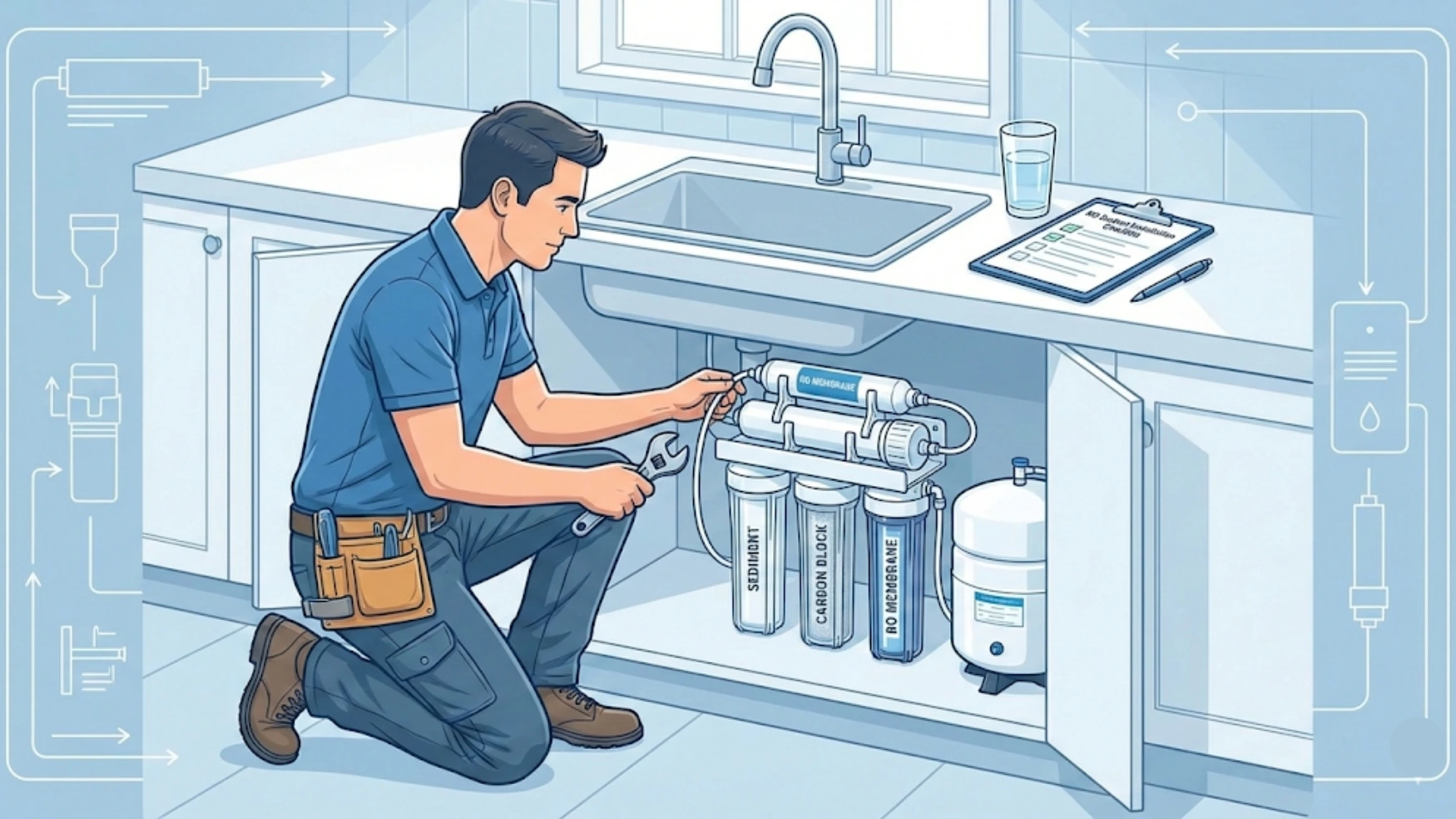
RO System Installation Checklist for Perfect Setup Introduction to RO System Installation RO system installation is not merely a mechanical task; it …

High-Performance Reverse Osmosis Plant for Commercial & Residential Use Clean and safe water is no longer a luxury—it is a necessity for …
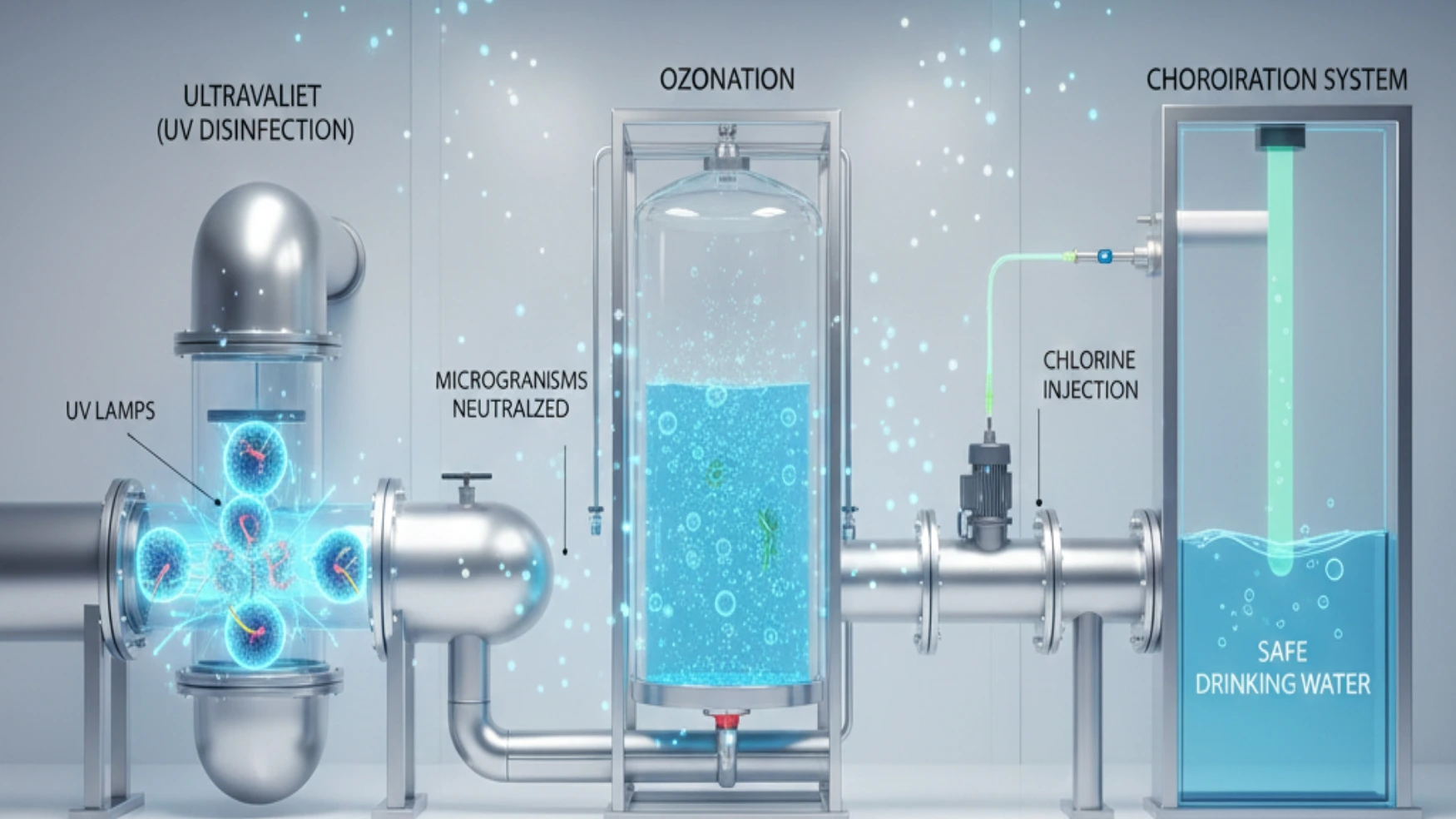
What Are the 5 Methods of Water Treatment Solution? Water quality plays a crucial role in human health, industrial operations, and environmental …
